
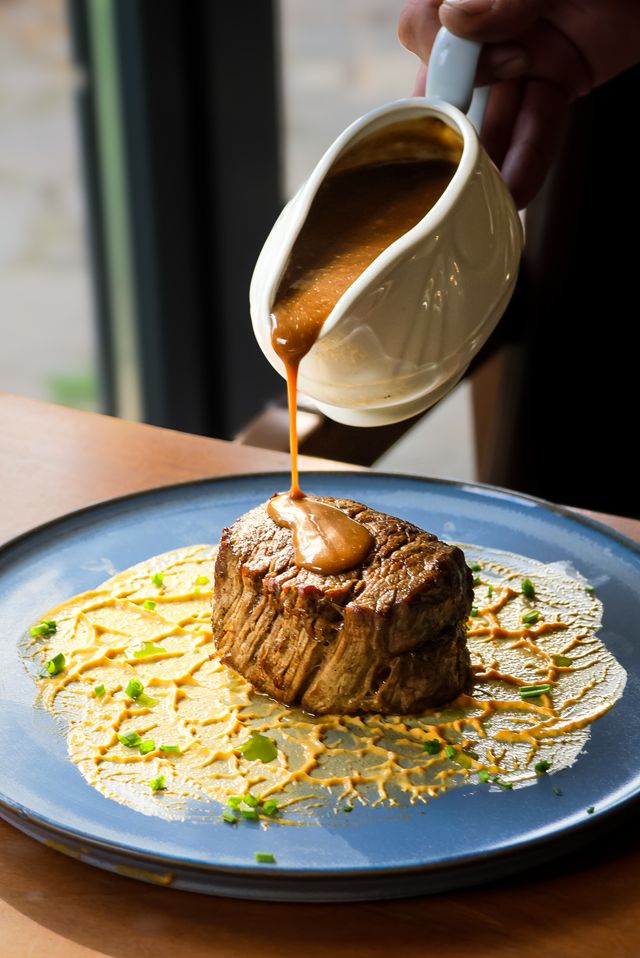
A great meat sauce can turn a simple plate of pasta, rice, or ugali into a meal people remember. In professional kitchens, I worked the saucier section, where sauces are the star of the plate, and I learned that a good one is built with small, careful steps. None of them is difficult. Here are the habits that make the biggest difference at home.
1. Brown the meat properly
This step builds most of your flavor. Pat the meat dry with a paper towel, because wet meat steams instead of browning. Use a hot pan and don’t crowd it. If the meat is packed in, it releases water and turns grey. Cook it in batches if you need to, and let it sit until it has a deep brown crust before you stir.
Those brown bits stuck to the bottom of the pan are called the fond. Don’t wash them away. They are pure flavor.
2. Season in layers
Add a little salt when you brown the meat, a little more when the vegetables go in, and taste again at the end. Seasoning in stages gives a deeper flavor than dumping all the salt in at once.
3. Take your time with the base
Onions, carrots, celery, and garlic are the foundation. Cook them slowly over medium heat until they are soft and sweet, which takes about 10 to 15 minutes. Rushing this leaves a sharp, raw taste in the sauce.
4. Cook your tomato paste
If you use tomato paste, fry it for a minute or two with the vegetables until it darkens slightly. This removes the raw, tinny taste and adds richness. If you use fresh tomatoes, choose very ripe ones and cook them down until the sauce thickens.
5. Deglaze the pan
Pour in a splash of red wine, stock, or even water and scrape the bottom of the pan with a wooden spoon. The brown bits dissolve into the liquid and give the sauce its depth. If you use wine, let it simmer for a few minutes so the raw alcohol cooks off.
6. Go low and slow
A meat sauce needs time. Simmer it gently, partly covered, for at least 1.5 to 2 hours, especially with tougher, more flavorful cuts like beef shin or brisket. The sauce should barely bubble. A hard boil makes the meat tough and the sauce grainy. Stir now and then so nothing sticks.
7. Balance at the end
Taste before serving. Does it need salt? A splash of vinegar or a squeeze of lemon can brighten a heavy sauce. If it tastes too sharp, a small pinch of sugar or a knob of butter softens it. Finish with fresh herbs such as parsley or basil.
8. Make it a day ahead
Like many stews, a meat sauce usually tastes better the next day, when the flavors have had time to settle. Cool it quickly, store it in the fridge, and reheat gently. This is also a good trick for a dinner party, since the sauce is ready and you can enjoy your guests.
Bonus: a quick sauce for seared meat
After you pan-sear a steak, chop, or chicken, don’t clean the pan. Remove the meat, add a little chopped shallot, then pour in some stock or wine and scrape up the brown bits. Simmer until it reduces by about half, then whisk in a small knob of cold butter off the heat. You get a glossy restaurant-style sauce in about five minutes.
Want this done for you?
Cooking at home is rewarding, but sometimes you’d rather sit down to a rich, slow-simmered sauce someone else has made with care. I’d love to cook it for you. [Book your private chef experience here →]
I came, I saw, I simmered.